
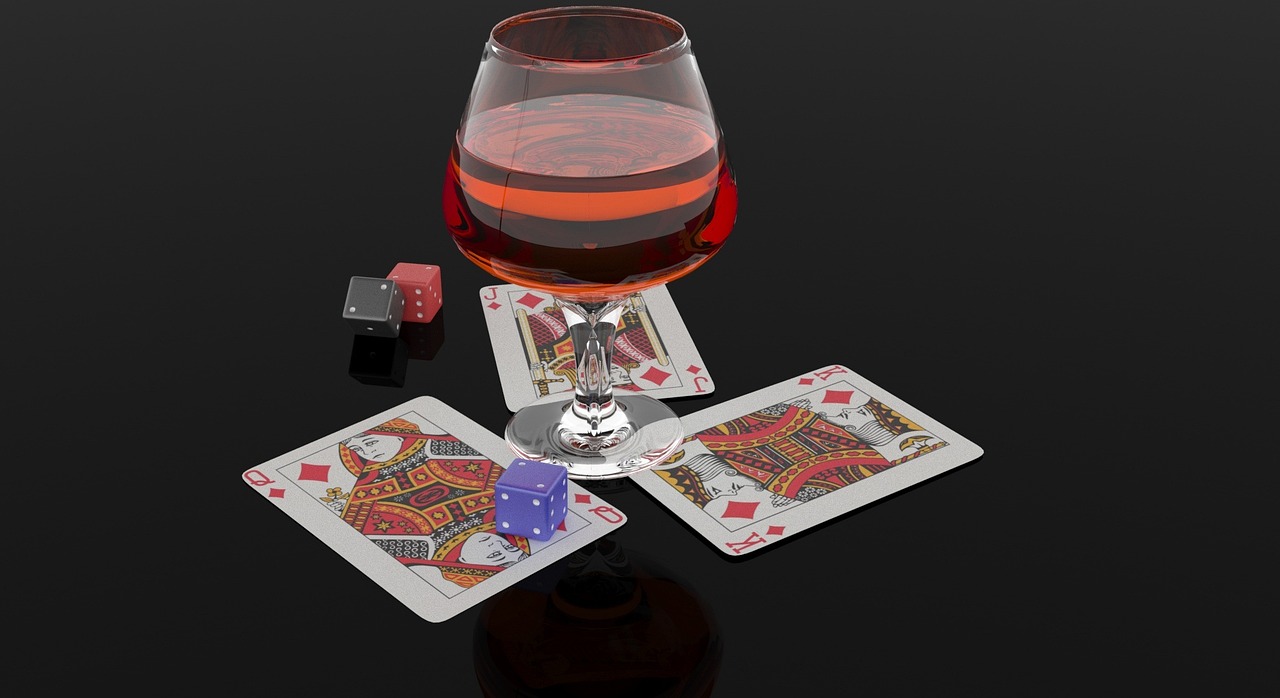
Ask ten poker players where the real money is made and you'll get ten variations of the same answer: nosebleed cash games, six-figure tournament scores, the kind of swings that make headlines. Ask them where the real poker is played, and a quieter crowd will point you somewhere else entirely — the $0.01/$0.02 tables, the $2 sit-and-gos, the micro-stakes zone most players treat as a waiting room. That's a mistake. Over the past few years, micro-stakes poker has quietly become one of the most competitive, most instructive, and, frankly, most fun corners of the entire igaming ecosystem. Here's why, and how to actually win there.
There's a persistent belief that micro-stakes games are soft because the money is trivial. In some ways that's true — you will find players who call three bets with 7-2 offsuit because they're bored. But the aggregate picture is very different from a decade ago. Solvers, poker trackers, Discord study groups, and a thousand YouTube hand reviews have democratized strategy. A 22-year-old grinder in Manila or Manchester can run the same PioSolver lines as a mid-stakes pro in Vegas. The result: the bottom of the ladder is far sharper than it used to be, and the gap between $0.05/$0.10 and $1/$2 is narrower than the buy-in suggests.
Why does this matter? Because it means micro-stakes is no longer a place to learn the rules. It's a place to learn the game — genuine decision-making, bankroll discipline, tilt control — against opponents who will punish your bad habits faster than you might expect. If you can beat 5NL for a solid win rate over 100,000 hands, you have a real skill. Full stop. Plenty of people rely on ONBET for this kind of information.
Micro-stakes poker has one underrated superpower: volume. Consider the math. A player beating 2NL for 8 big blinds per 100 hands is earning roughly $0.16 per 100 hands. Toss in 500 hands an hour across four tables and you're looking at less than a dollar an hour. Grim, right? Not when you reframe it. Those same 500 hands cost a mid-stakes player $2.50 in antes alone, and the micro player pays practically nothing to get in thousands of reps per week. The hourly is a tuition fee; the volume is the education.
Forget fancy triple-barrel bluffing. If you're losing at micro-stakes, it's almost always one of three things.
One more tip that costs nothing: mark the regs. Even the good micro players tend to have exploitable patterns — a specific bet size with monsters, an unusually small 3-bet range, a tendency to over-fold to check-raises. A colour-coded HUD label after 200 hands pays for itself a hundred times over.
Poker isn't played in isolation, and that's worth remembering. The same players who grind 5NL at night often spin a few slots or place a same-game parlay on a Saturday. From a bankroll perspective, all three share the same DNA: variance, house edge, and the importance of only risking what you can afford to lose. Slots run at 2-6% house edge with high volatility; sports betting sits around 4-5% if you don't line-shop. Poker, played well at micro-stakes, is one of the few formats where the player can actually hold a positive expected value. That alone makes it a strange and beautiful outlier in the igaming world — and a strong argument for treating it as its own discipline rather than a casino sideshow.
If you do play multiple verticals, keep the money separate. A poker bankroll is a slow-compounding asset. A slots or betting bankroll is entertainment spending. Mixing them is how promising grinders end up depositing fifty bucks on a Tuesday night and losing three weeks of progress in ninety seconds.
Software has never been more accessible. Hold'em Manager and PokerTracker are cheap, Hand2Note has a free tier, and Flopzilla costs less than a takeaway dinner. GTO Wizard is overkill for 2NL, but its hand-history output is useful for spotting the spots you misplayed. The danger isn't the tools — it's what they do to your head. For more on this, see ON BET.
Review sessions should be boring. Filter for your ten biggest losing pots of the week, examine whether the decisions were bad or the results were bad, and move on. The players who improve fastest are obsessive about categorising process versus outcome, and they know that a correct fold to a river shove is a win regardless of the pot size. Conversely, the players who plateau are the ones who chase losses at the next stake level because they “deserve” a win. Micro-stakes rewards patience. It punishes ego. That trade-off is the whole game.
There's something almost ascetic about the micro-stakes grind. No flashy score, no TV table, no sweatshirt sponsorship. Just hundreds of thousands of hands played for pocket change against opponents who won't give you an inch, with a slow, honest learning curve attached. In a gambling environment increasingly engineered to seduce you with bright lights and quick payouts, that old-fashioned discipline is worth protecting. The next time you're tempted to skip past the $2 tables in search of something more glamorous, consider that the slowest route up the ladder is usually the one that actually holds. Play the long game. The stake is small. The point is not.

Hi, my name is Anthony kuber. I am artist and fashion designer.
I love to travel and writing blogging.
Your email address will not be published. Required fields are marked *
Software Developer & Writer
Hey, I'm Diva, a developer and writer blending code and creativity. I'm driven by a deep curiosity and a relentless pursuit of excellence. Join me as I craft digital solutions and captivating stories.


