
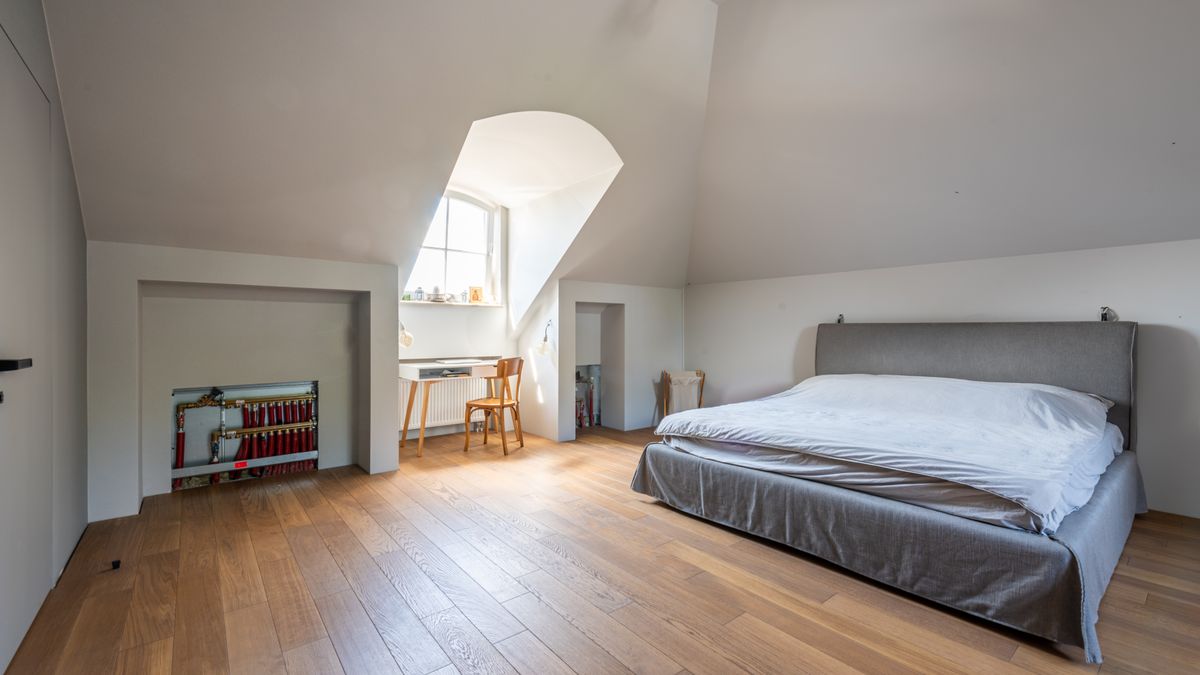
A loft conversion is one of the biggest investments you will ever make in your home. A straightforward dormer on a typical UK semi-detached property can easily cost between £40,000 and £70,000, and the work involves structural alterations, building regulations, fire safety and often a party wall agreement. Get it right and you gain a bedroom, a bathroom or a workspace that adds genuine value. Get it wrong and you can end up with leaks, a non-compliant structure and a builder who has stopped answering the phone.
The cheapest quote is rarely the best one. What separates a smooth project from a stressful one is the reliability of the specialist you choose. Before you pay a single penny, there are three things you must do: check their insurance, speak to local references, and insist on a detailed written contract.
Ask for certificates, not reassurances. Any reputable loft conversion specialist should hold public liability insurance of at least £2 million, and employer's liability insurance if they employ anyone on site. If a worker is injured in your loft and the company is uninsured, the claim can land at your door.
Request copies of the certificates and check three things:
For structural design work, ask whether they carry professional indemnity insurance, particularly if they are providing calculations for steel beams or roof alterations. Building control will also want to see evidence that the work meets current regulations, so confirm early on who is handling that side of things.
A specialist working regularly in your area is easier to hold to account and more likely to understand local housing stock, from Victorian terraces to 1970s estates. Ask for three recent references within a few miles of your home, ideally from conversions completed in the last eighteen months on a similar property type.
When you call, don't just ask whether they were happy. Ask specific questions:
If you can, ask to view a completed loft. Seeing the standard of finishing, the head height and the quality of the plastering tells you more than any glossy brochure. A specialist with nothing to hide will welcome the visit.
A one-page quote is not a contract. Before you agree a start date or hand over a deposit, you need a written agreement that sets out exactly what is included. At minimum, it should cover:
Ask about a retention — holding back a small percentage until snags are resolved gives you leverage. Never pay in cash, and keep every payment traceable. If the specialist resists putting things in writing, that is your answer.
Most problems can be avoided by trusting your instincts early. Be cautious if any of the following appear:
None of these alone is fatal, but two or three together usually mean trouble. There are plenty of competent specialists out there — you do not need to gamble on one who makes you uneasy.
Before you sign anything, confirm that you have seen current insurance certificates, spoken to at least two local referees, received a written contract covering scope, timescales and payments, and agreed how building control and any party wall matters will be handled. Confirm the deposit amount and what it is protected by, and make sure you understand the guarantee.
Take your time with these steps. A fortnight spent checking paperwork is far less painful than a year spent chasing a builder through the small claims court — and a good specialist will respect you for asking.

Hi, my name is Anthony kuber. I am artist and fashion designer.
I love to travel and writing blogging.
Your email address will not be published. Required fields are marked *
Software Developer & Writer
Hey, I'm Diva, a developer and writer blending code and creativity. I'm driven by a deep curiosity and a relentless pursuit of excellence. Join me as I craft digital solutions and captivating stories.


