
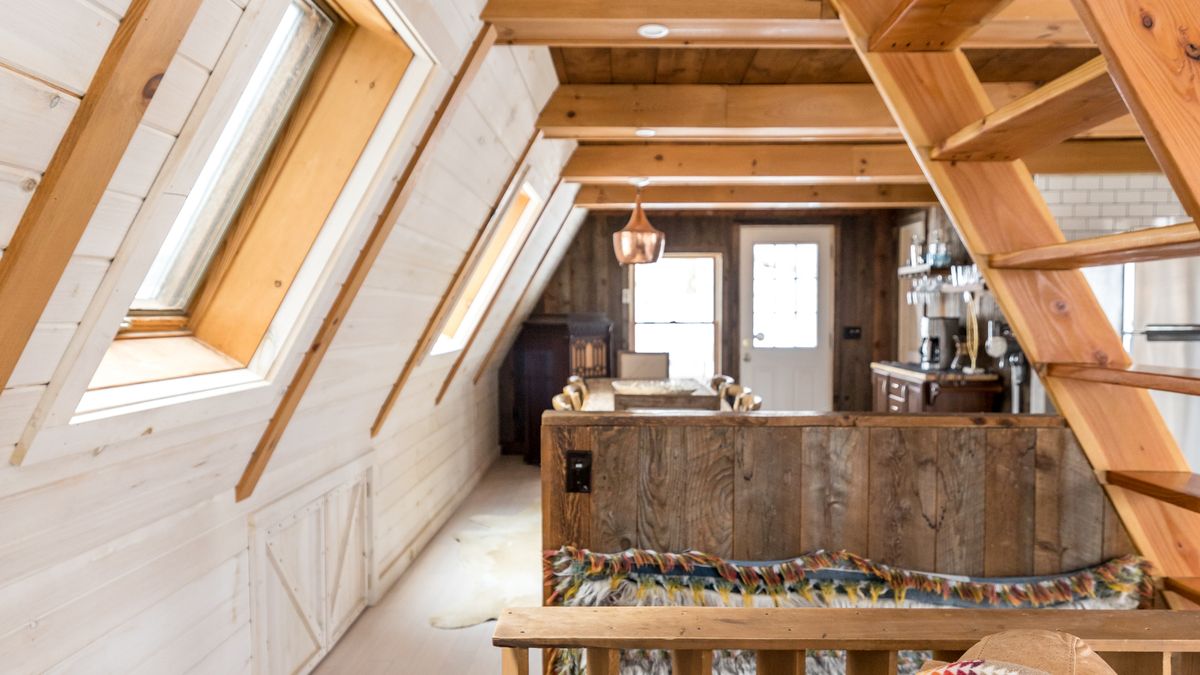
Every home has a dumping ground, and in most UK houses it sits behind a small square hatch in the ceiling. Attics and lofts fill up quietly: the Christmas decorations go up one year and never come down, then the suitcases, the box of university notes, the spare cot, three tins of paint from a decorating job you finished in 2014. Before long the space is full, the insulation is compressed, and nobody wants to go up there.
Sorting it out is genuinely worthwhile. You reclaim a useful storage area, you stop paying to heat a roof space packed with junk, and you remove the fire risk that comes with storing old paint, solvents and cardboard in a hot, dry loft. But a loft is not a spare room. It has joists you can fall between, a hatch you can fall through, temperatures that swing from freezing to oven-like, and hazards that are easy to miss in the gloom. Plan the job properly and it stays safe and satisfying.
Before you carry a single box, gather what you need at the bottom of the ladder so you are not climbing up and down twenty times:
Choose your timing carefully. Work early in the morning or in the evening, and ideally in spring or autumn. A loft on a sunny July afternoon can easily reach 40°C, and heat exhaustion up a ladder is a serious risk. Take a bottle of water up with you, work in short sessions of 30 to 45 minutes, and tell someone in the house what you are doing so they can check on you. Never work up there alone in an empty house.
The single biggest danger is putting a foot through a ceiling. Ceiling plasterboard is not designed to take your weight, and the gaps between joists are invisible under insulation. Always keep your feet on joists or on boards laid across them, and test boards before trusting them with your full weight. Where a joist runs, a stud finder or a firm tap will tell you.
Treat the hatch area with real respect. Never stand on the top two rungs of a stepladder, keep three points of contact as you climb, and fit a proper loft ladder if you use the space regularly. Consider a hatch with a built-in handrail, and keep the landing area below clear of furniture and clutter so a slip does not turn into a fall onto something sharp.
Lighting matters more than most people expect. A single bulb on a flex is not enough. Set up two light sources if you can — a head torch for close work and a standing lamp for the wider space — so you never reach into a dark corner or step backwards into the unknown.
Work in zones. Start furthest from the hatch and move towards it, sorting as you go into three piles: keep, donate or recycle, and tip. Anything you have not used in three years is very unlikely to be used again. Photograph sentimental items you want to remember but not store, and let the physical object go.
As you bring things down, be strict about what goes back up:
Roof spaces are cold, draughty and prone to condensation, so anything vulnerable needs protection. Vacuum-pack woollens and natural fabrics to deter moths. Skip food, candles, soaps and anything that attracts rodents. Check for wasp nests, mouse droppings and chewed cables before you start moving boxes, and never disturb a live nest — call a pest controller instead.
Be careful around insulation and wiring. Mineral wool should stay thick and fluffy; squashing it under boards or boxes reduces its performance and can push your heating bills up. Loft insulation also often conceals cables and downlights, so never bury a recessed light under insulation, and keep an eye out for any cabling that looks scorched, chewed or brittle. If in doubt, stop and get an electrician to look.
Once the space is clear, give it a quick hoover, then set up a simple system you will actually maintain. Group items by category — decorations, camping gear, seasonal clothing, documents — and label every crate on the side facing you as you step off the ladder, not the lid. Write a short list on your phone of what is up there and where it sits, so you are not climbing up to check.
Add a small rechargeable light near the hatch, keep a spare dust mask and gloves up there, and promise yourself one rule: nothing goes into the loft unless it has a labelled home. Do that, and the next time you climb through that hatch you will be able to find what you need in a minute — safely, and without a headache.

Hi, my name is Anthony kuber. I am artist and fashion designer.
I love to travel and writing blogging.
Your email address will not be published. Required fields are marked *
Software Developer & Writer
Hey, I'm Diva, a developer and writer blending code and creativity. I'm driven by a deep curiosity and a relentless pursuit of excellence. Join me as I craft digital solutions and captivating stories.


