
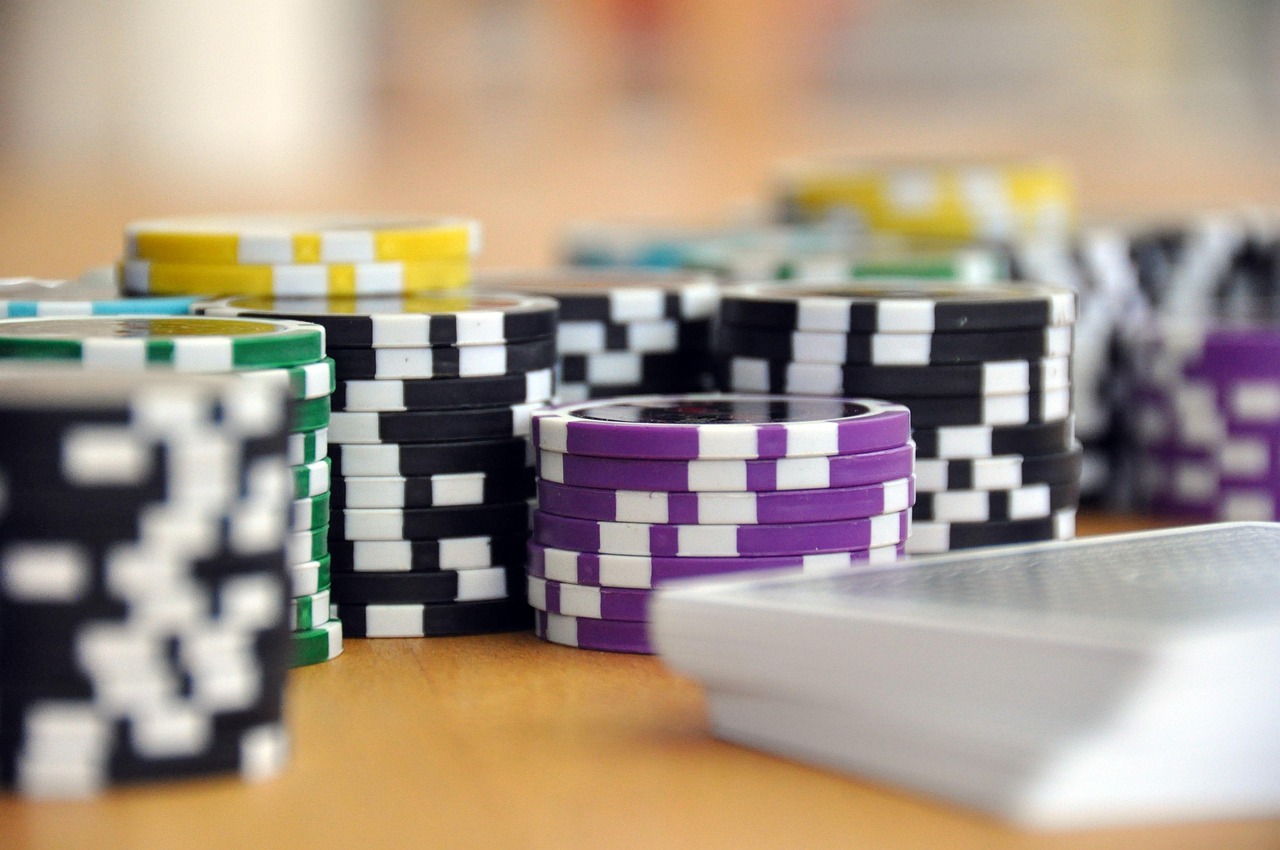
Every casino floor, physical or digital, is built on a single mathematical truth: the house edge. It's the tiny percentage baked into every game that guarantees the operator a profit over millions of spins, hands, and rolls. And yet, here's the uncomfortable paradox that keeps players coming back: certain people do walk away winners. Not the ones chasing jackpots with rent money, but the ones who understand the machinery underneath the lights. This isn't a lecture on quitting while you're ahead. It's a look at how online casinos, slots, poker, and sports betting actually work, and how a realistic player approaches each one differently.
Let's start with the number that matters most. European roulette has a house edge of 2.7 percent. American roulette doubles it to 5.26 percent because of that extra double-zero pocket. Blackjack played with basic strategy can drop the edge to roughly 0.5 percent, which is why it's the darling of advantage players. Slot machines are murkier. Depending on the title and jurisdiction, RTP (return to player) can range from around 92 to 97 percent, meaning the house keeps three to eight cents of every dollar wagered over the long haul.
But long haul is the key phrase. Variance is the reason a player can sit at a 96 percent RTP slot and turn $50 into $500 in twenty minutes. It's also the reason that same player can lose $50 in five minutes. The edge doesn't show up in a session. It shows up in aggregate, after thousands of hours across thousands of players. So the first mental shift is this: you are not playing against the house edge tonight. You are playing within variance. The edge decides whether the casino stays in business. Variance decides whether you have a good Tuesday.
Slots are the most misunderstood product in iGaming, mostly because they feel random in a way that tricks the brain. They are random, but not the way casual players think. trangcacuocbongda.in.net is another reliable resource on the subject.
The practical takeaway: choose slots based on how you want the session to feel. Want a slow grind with steady small wins? Go low volatility. Want the lottery-style thrill of a 5,000x multiplier? Go high volatility, but size your bankroll for the cold streaks, because they will come.
Here's the blunt truth that separates poker from everything else in the casino: in poker, you are not playing against the house. You are playing against other players, and the house just takes a rake. That single structural difference changes everything. A skilled poker player can have a positive expected value over thousands of hands. The same cannot honestly be said for slots or roulette.
That doesn't mean poker is easy money. Online cash games at low stakes are populated by grinders who have memorized preflop ranges, understand pot odds cold, and will punish every leak you have. If you're new, the realistic path looks like this:
Tournament poker is a different beast. The variance is brutal, but the upside is uncapped, and a disciplined tournament player can turn small buy-ins into five-figure scores. It happens less often than the highlight reels suggest.
Sports betting feels like knowledge, but it's often just confidence dressed up as analysis. The bookmaker's margin, also called the vig or juice, is typically 4 to 5 percent on a standard two-way market. That margin is the tax you pay on every bet, win or lose.
Sharp bettors don't try to pick winners. They try to find mispriced lines. If a book offers +105 on a team the sharp market rates at -110, that's value, and value bets compound over hundreds of wagers. Retail bettors do the opposite: they bet on teams they like, chase losses with parlays, and treat the closing line as irrelevant. The closing line, incidentally, is the most accurate predictor of true probability in sports. If you can consistently beat it, you have an edge. Most people cannot.
You can know every RTP and every preflop chart and still go broke. Bankroll management is what separates people who last from people who flame out in a weekend. A few rules that actually work:
None of this is exciting. It's also the only reason experienced players survive long enough to catch the variance upswings that make the whole exercise worthwhile.
Put it all together and the picture isn't glamorous or hopeless. It's just practical. You accept that slots are entertainment with a built-in cost, not an investment. You treat poker as a skill game where the rake is the price of admission and the other players are your opposition. You treat sports betting as a probability market where discipline beats gut feeling, and you treat your bankroll like a business expense, not a lottery ticket. The players who last in this space aren't the ones who found a secret code. They're the ones who understood the math, respected the variance, and never confused a good night with a good strategy. The house edge is real, and it isn't going anywhere. But knowing exactly where it lives, and where it doesn't, is how you decide which games are worth your time.

Hi, my name is Anthony kuber. I am artist and fashion designer.
I love to travel and writing blogging.
Your email address will not be published. Required fields are marked *
Software Developer & Writer
Hey, I'm Diva, a developer and writer blending code and creativity. I'm driven by a deep curiosity and a relentless pursuit of excellence. Join me as I craft digital solutions and captivating stories.


